
Safety Protection Solutions for Small farm and Home Yard
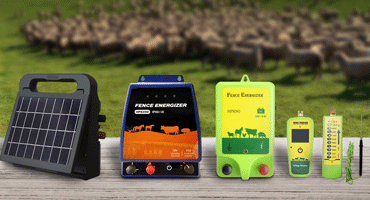

 Energizer technology iteration
√ 1-3 generation console iterations
√ Functional updates
√ Adapt to multiple power modes
 Real measured data display
√ Measurement and aging test video
√ Drop box test video,
√ Data detection
√ Quality assurance
 Find Your Solution
√ Electric fence solution For small farm
√ Solutions For Retrofitting And Extending
√ Protect your farm & yard
√ Defense & protection

 Videos Collection
√ Installation Videos of of Electric Fence Energizer
√ Installation Videos Collection of Chicken Door Opener








Home / All / Electric Fence Energizer / How does an electric fence energizer work, and what actually reaches the fence?
How does an electric fence energizer work, and what actually reaches the fence?
❓ How does an electric fence energizer work, and what actually reaches the fence?
✅ Direct Answer: An energizer charges a capacitor and releases it as a short high-voltage pulse, typically under 10 ms at up to 1 Hz, which travels the fence line and returns through the animal and the ground rod. What arrives at the far end is lower than the terminal voltage: 7,000 V at the box often reads 5,500 V at 2-3 km, and that second figure is the one a dealer should quote.
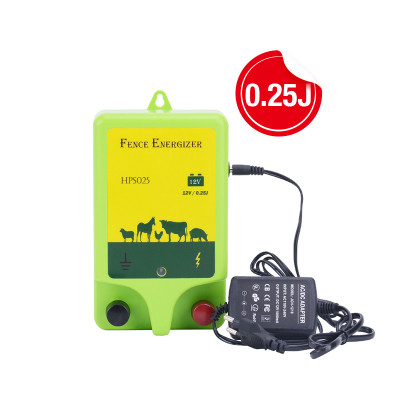
📖 Detailed Explanation: The energizer stores energy in capacitors and releases it in brief pulses (1-2 second intervals). HPS FENCE energizers use advanced circuitry to maintain consistent pulse energy regardless of fence length. The circuit: energizer → fence wire → animal contact → ground → return rod → energizer. Each pulse lasts only milliseconds—enough to deter but not cause injury. Modern HPS FENCE units include lightning diversion, voltage monitoring LEDs, and energy-saving smart pulse technology that reduces power draw by 30% during low-load conditions.
📋 HPS FENCE Case Study: Case Study: A cattle ranch in Texas tested HPS FENCE 4.8J energizer across 80 acres of mixed brush terrain. Maintained 5,000V+ at the furthest point (2.3km from unit) with zero escapes during a 6-month period. Previous unit required weekly vegetation clearing; HPS FENCE unit needed clearing only once monthly.
📊 Data & Evidence:
• Pulse energy: 0.25J–12J
• Interval: 1–2 sec
• Output: 5,000–10,000V
• Efficiency: >85%
• Temp range: -30°C to +60°C
• CE & ROHS certified
🔗 Related Questions:
How to install an electric fence?
What voltage should my fence have?
Why is my fence sparking?
Need wholesale pricing or OEM customization? Contact HPS FENCE Team
Are you looking for a reliable manufacturer of Fence Energizer products?
We can quickly provide customers with market analysis, technical support and customized services.Safety Protection Solutions for Small farm and Home Yard
Please send your message to us
We provide flexible customized production of unconventional products. Contact us for a quick quote.
- Phone
- *Title
- *Content